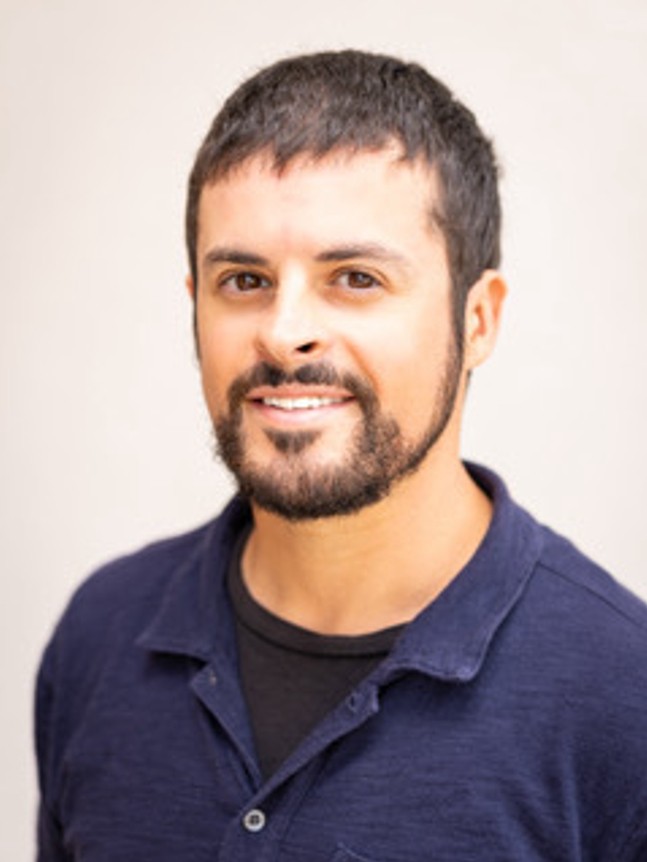

Scheril Murray Powell considers cannabis law her calling. As a New York native of Jamaican descent, she lawyers to fund her activism. After passing the bar exam almost a decade ago, God led her to cannabis where she noticed the lack of representation for people of color.
Today, Powell is a valuable resource for legacy cannabis operators, helping deserving parties gain licensure. A legacy operator is an individual who has commercialized cannabis for the majority of their income, or sacramentally or ceremonially distributed cannabis, during the period of prohibition predating legalization by at least five years.
“Any type of disparity, inequity – it grieves my spirit,” said Powell. “Being legally trained, I find a way to step in.”
Social Equity, Social Justice
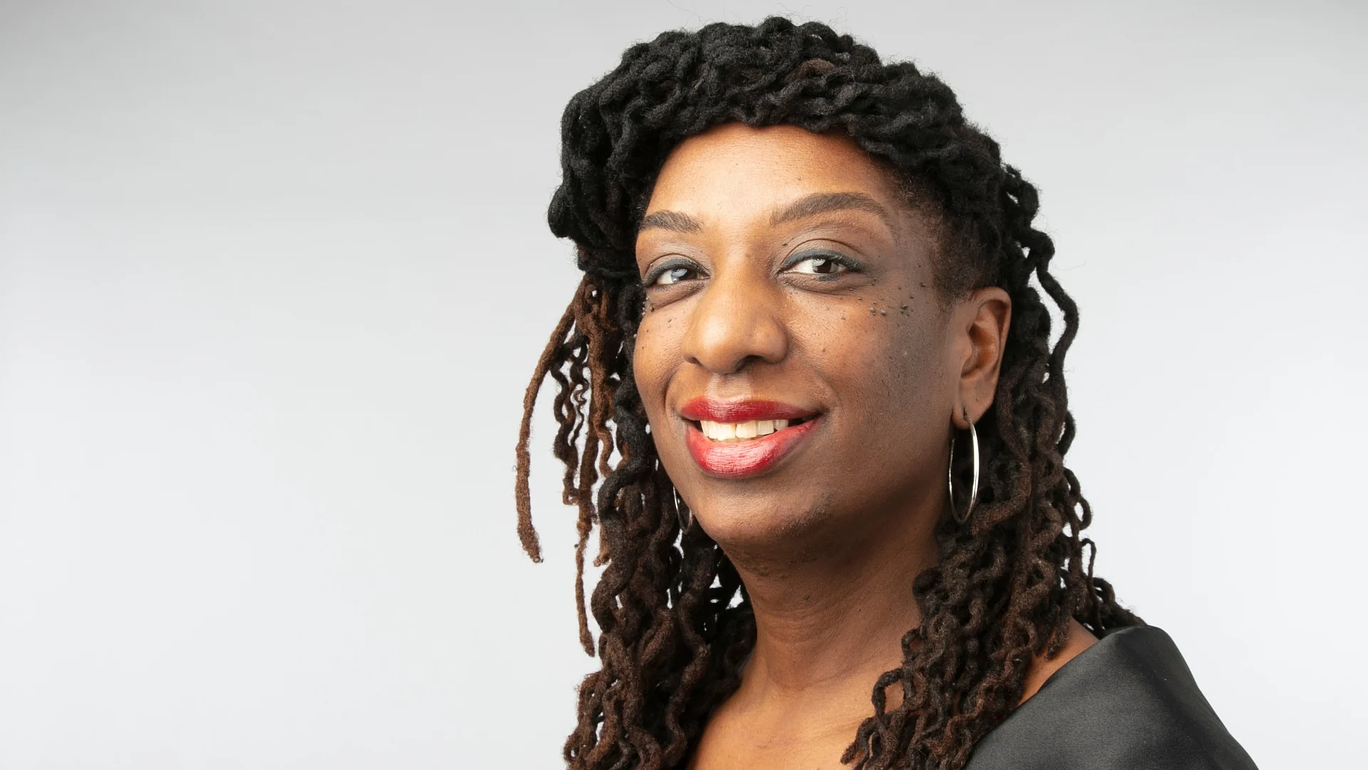
Scheril Murray Powell subscribes to the Three Pillars of Justice in cannabis: Social justice, socially equitable access to the business, and social responsibility or community reinvestment. She wants applicants to understand that social equity looks different based on jurisdiction.
Social equity should also require amnesty or forgiveness for any previous crimes related to cannabis, full exoneration. Ultimately, this is about repairing the harm done to specifically disadvantaged communities. In many of those communities, the biggest hurdle is assumed intellectual inferiority and not having access to legal counsel or accounting services.
Application Barriers
Unlike other industries where specific steps lead to a license, cannabis licensure is merit/review-based and most jurisdictions have a cap on licenses. Various factors hinder applications: disqualifying offenses or criminal convictions, experience or academic degrees in other businesses and organizations, social and economic disadvantages or minority status, and distinct ownership and control to prevent predatory circumstances.
As the former COO of The JUSTUS Foundation out of New York, Powell helped legacy operators get into the cannabis industry by removing barriers and obstacles. Her time there revealed how suspicion and distrust for the government hinders social equity applicants. She stresses how people must develop trust in their government’s ability to help them.
“It’s not a trick or a hoax as far as providing this licensing opportunity,” affirmed Powell.
Caveats for Candidates
To protect themselves from predatory partnerships, applicants need legal counsel before signing any operating agreements or signing away interests to investors. Regulators must align around uncoupling those involved with such predators in a way that they can retain their licenses after.
Awareness about public comment periods needs to happen within the social activity of a legacy community, getting them ready for a round of applications later. For those without significant financial backing, she recommends a friends and family round of funding or investors from other successful business endeavors – even Season of Service charitable enterprises and lobbyists.
Also Read: Last Week in Weed: September 16- 23, 2025
States Steering the Course
Oakland, CA pioneered the social equity movement. Vermont did a great job of defining it based on a federal code to recognize socially and economically disadvantaged applicants, particularly racial groups. New York studied the impact of prohibition and which communities received the brunt of the harm, studies that have helped adopt a universal standard.
In terms of grants and funding, Illinois waived application fees so that people who are eligible and deserving can apply without financial burdens. They emphasized distribution and community reinvestment dollars to existing nonprofits. New Jersey offered grant funding, offering $250,000 to eligible licensees, followed by a second round of $125,000 while providing free education on the legal industry for legacy operators.
“I always like to say that social equity is an evolution,” Powell highlighted. “Each state learns from the last.”