
From tissue culture labs to engineered soils and solventless hash testing, cutting-edge cultivation tools are setting a new standard for cannabis cultivation. Cannabis cultivation is evolving, adopting technologies once reserved for mainstream agriculture and biotech. In a plot twist, it’s the OGs, the breeders who preserved genetics through decades, who often are at the forefront of putting these tools to work while advancing the plant with both tradition and innovation.
Innovation in Cultivation
Cannabis cultivation has undergone a seismic shift in the last decade. Once driven mostly by tradition and trial-and-error, today’s most forward-thinking cannabis growers are embracing tools borrowed from mainstream agriculture, biotechnology, and environmental science. These technologies are redefining how plants are grown, evaluated, and brought to market.
What may surprise many, however, is that many OG breeders, cultivators who safeguarded genetics for decades when others lost or diluted them, are leading the charge. With heritage libraries intact, these operators are now using state-of-the-art cultivation technology to push the plant into its next era.
Tissue Culture and Clean Stock
One of the most important advances in cultivation is tissue culture. In agriculture, it is the gold standard for preserving and propagating clean, pathogen-free material. It allows growers to reset genetics, banking them in sterile agar and regenerating plants free of pests and disease.
This is significant for cannabis, where decades of clone-only propagation spread hidden pathogens. Tissue culture ensures vigorous, clean stock, protecting facilities from threats like Hop Latent Viroid (HLVd). Arcana’s campus located in Shelton, WA, affectionately dubbed “Ghost Town,” houses such a lab that uses micropropagation and strict SOPs for sterilization and clone handling.
Testing and Genetic Mapping
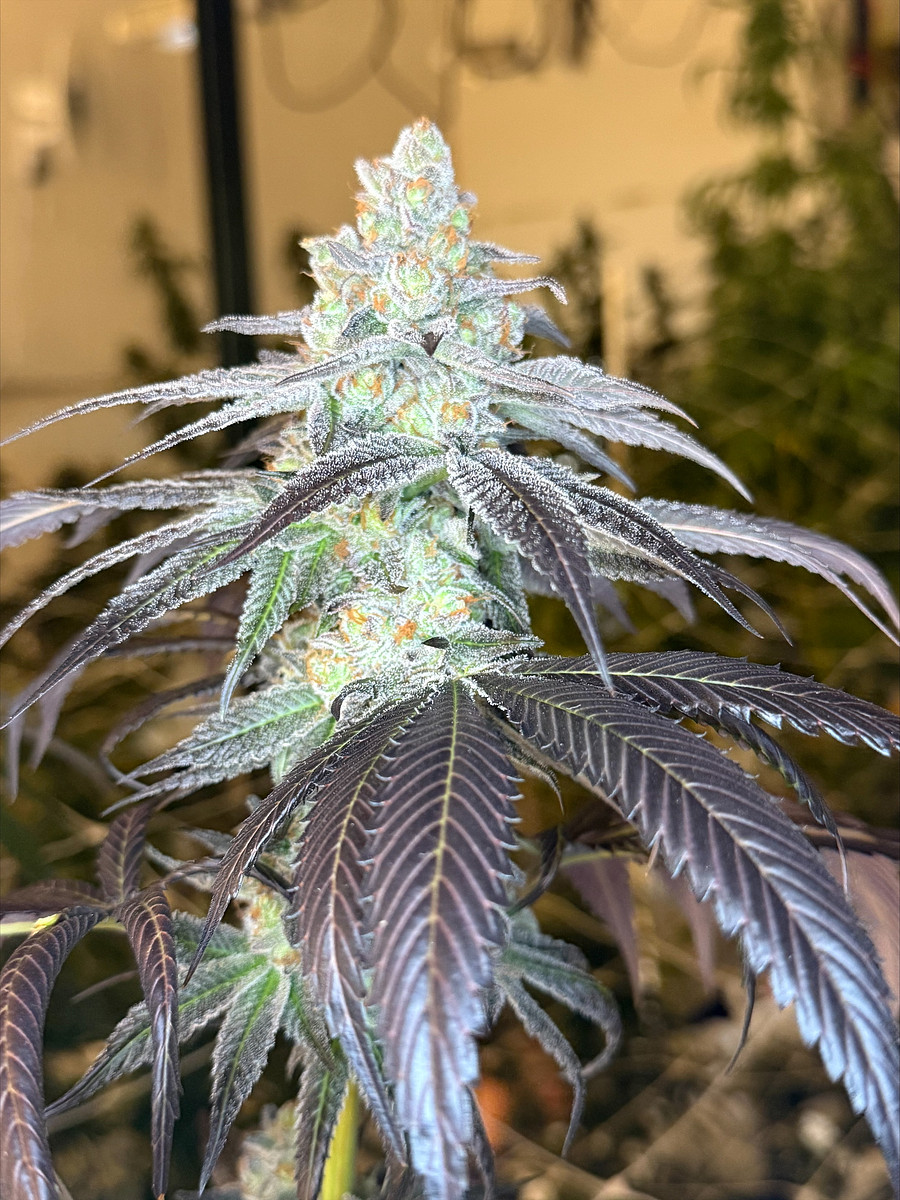
Comprehensive testing and genetic mapping are becoming standard, too. Modern programs benchmark potency, cannabinoid ratios, and terpene profiles from the earliest stages. On the plant health side, regular HLVd testing is now as essential as nutrient checks. By identifying infected plants before they spread disease, cultivators can save entire rooms from collapse.
Looking ahead, DNA sequencing and molecular marker analysis are giving strains genetic “passports.” This verifies provenance and provides roadmaps for trait-driven cultivation. For Arcana’s team, who include Chemdog, Josh D, Suny Cheeba, OG Ghost, Rev. Fuji, and Ras Kaya Paul, these tools preserve legendary genetics while guiding the next generation to come.
Soil Science and Engineered Media
Soil variability has long complicated cultivation. Different compost batches can produce inconsistent results, muddying trial data. Engineered living soils like those from bio365, designed under controlled conditions with patented microbial systems such as bioCHARGE, offer consistency that cultivators can trust. Living soil with a broad community of biology living in the rhizosphere delivers better chemotype expression.
Holding soil biology constant also allows more accurate genetic performance data; strains reveal themselves as heavy or light feeders without the noise of inconsistent media. Engineered soils also reduce waste. At Ghost Town, bio365 soil is recycled into other farm applications, turning pheno-hunt leftovers into a resource.
Controlled Environments and Micro-Chambers
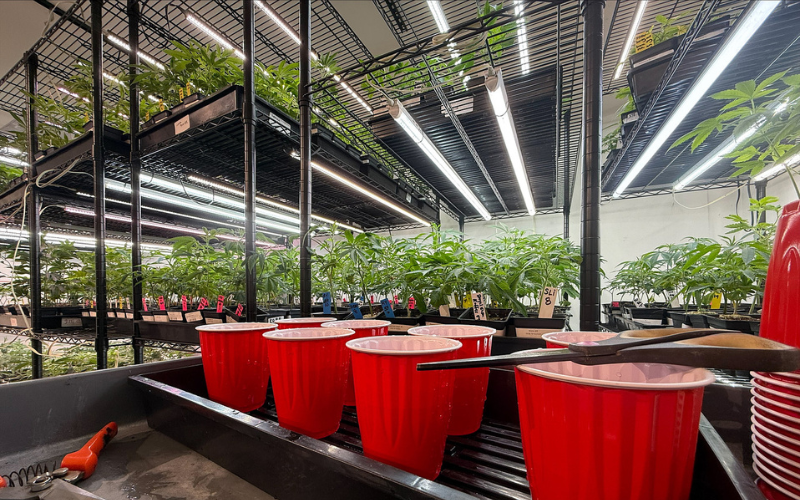
Environmental precision is another cornerstone of modern cultivation. While most indoor rooms are climate controlled, advanced programs go further, dividing facilities into small rooms for parallel trials. These “micro-breeding” rooms allow dozens of experiments at once, with independent control of light, humidity, airflow, and CO₂. Integrated PAR sensors measure photosynthetically active radiation, while negative pressure reduces pollen spread. Ghost Town’s 18 micro rooms allow rapid identification of promising plants under multiple conditions, accelerating selection and reducing risk.
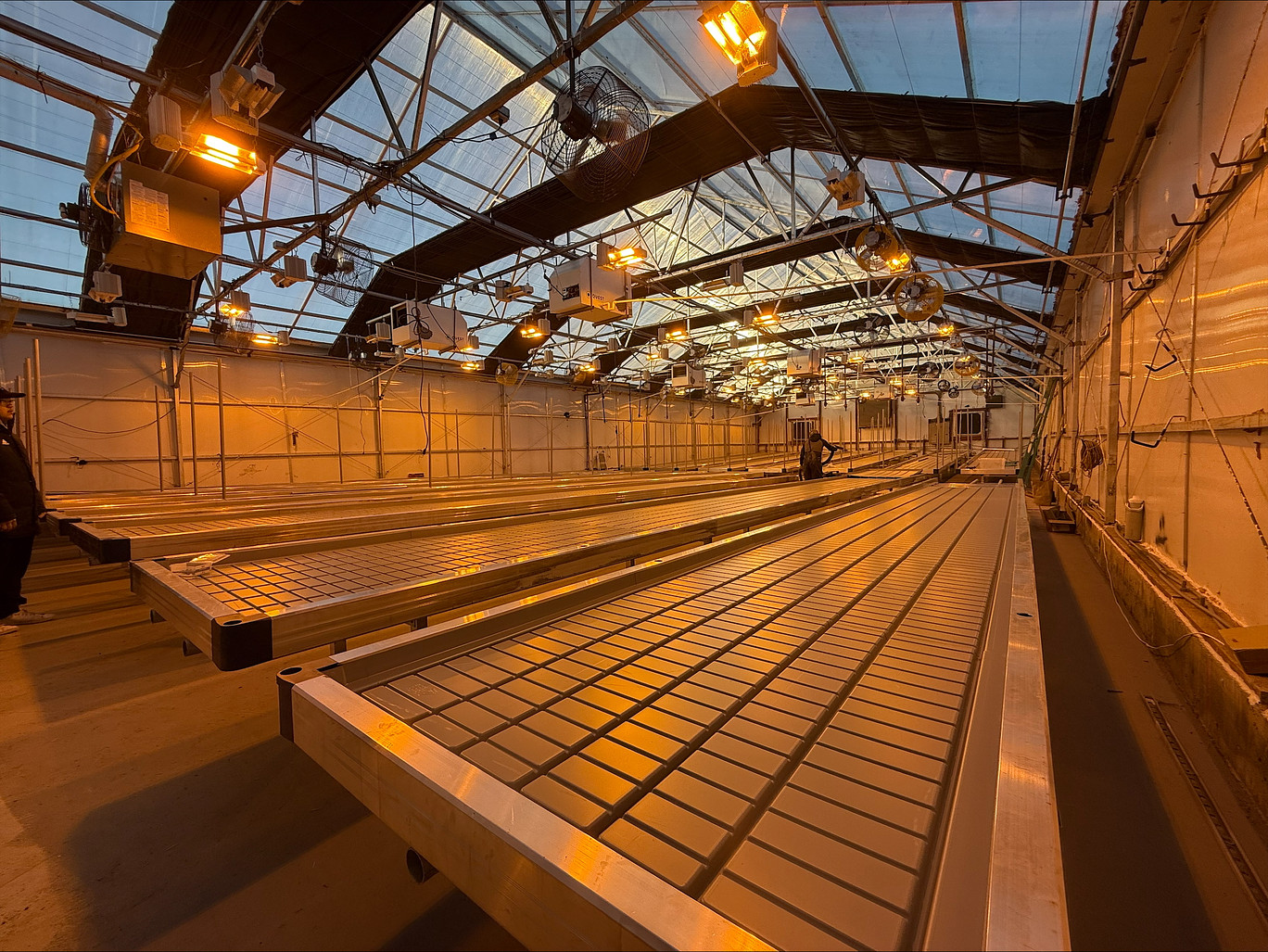
Even with precise indoor setups, cultivation isn’t complete without both mixed-light and outdoor validation. A cultivar that thrives under LEDs may falter in coastal humidity, while another that looks average indoors might excel in mixed light. Advanced programs at Ghost Town run trials across indoor, mixed light, and outdoor fields, creating detailed datasets that track strain performance in each environment. Sharing this data helps growers select genetics suited to their specific climates.
Beyond Flower: Hash Validation
In today’s market, cultivars must perform beyond flower. Solventless hash has become a premium category, commanding top-tier prices and loyalty. Resin quality and washability are now essential metrics. Arcana’s Ras Kaya Paul runs Ghost Town’s purpose-built, state-of-the-art hash lab. Recipes are refined to maximize terpene retention and output. Every promising cultivar is put through this process. By treating hash validation with the same rigor as potency testing, cultivators ensure that what looks good in flower also translates into premium extracts.
Data, Modeling, and Continuous Refinement
All of these technologies produce one thing in common: data. From germination rates to terpene yields, cultivators now manage enormous datasets. This data must, however, be modeled and analyzed to reveal value. Advanced programs use statistical and multivariate analysis to find correlations and predict outcomes. Predictive modeling can forecast how certain genetics will perform in specific environments or extraction setups, shortening the trial-and-error cycle. Arcana’s datasets are captured in cultivation reports, creating a closed loop where genetics are cultivated, tested, modeled, and refined.
Also Read: Insights Into MJBizCon 2025
Heritage Meets Technology
The future of cannabis cultivation is being shaped by technologies once reserved for industrial agriculture and biotech: tissue culture, DNA sequencing, engineered soils, micro-breeding, solventless validation, and predictive modeling. Arcana’s approach is holistic, spanning from decades-old genetic archives to modern labs and sensor-driven breeding rooms, to multiple cultivation environments. By combining authentic provenance with cutting-edge technology, the Collective is building a new standard for cannabis cultivation.
Every step is intentional:
- Pathogen-free stock through tissue culture
- Verified genetics through testing and mapping
- Consistency through bio365 soils
- Versatility through micro-breeding rooms
- Transparency through environmental performance trials
- Premium validation through solventless hash testing
- Continuous improvement through data modeling
And it’s the OGs, the cultivators who kept genetics alive through decades of prohibition and dilution, who are pairing heritage libraries with these tools. The result is cleaner plants, better yields and a cultivation system that protects provenance, reduces waste, improves transparency, and delivers genetics designed to thrive in multiple environments. This is the blueprint for cannabis cultivation’s next chapter.