THC-V is becoming an outstanding popular research topic. In contrast to THC and CBD, the rare substance has unique effects, including appetite control and metabolic regulation. Initial findings have attracted the attention of both producers and patients alike, indicating that THC-V is an important factor in the development of the future of medical cannabis and industry strategies.
The Rise of THC-V: A Lesser-Known Cannabinoid Steps Into the Spotlight
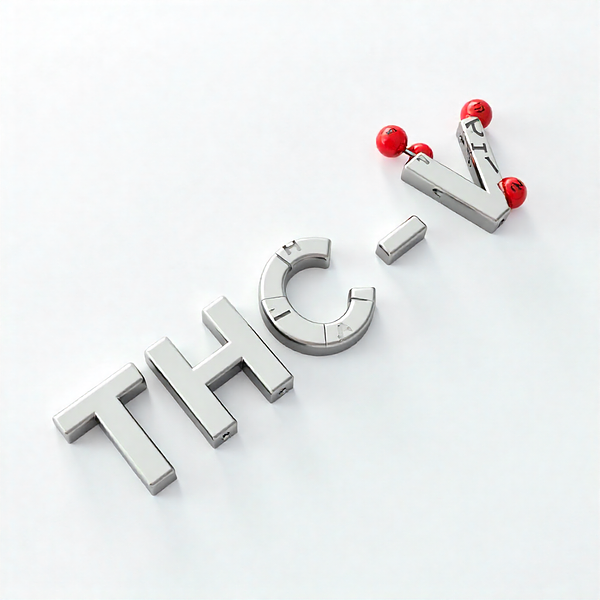
THC-V was first identified in the 1970s, but for decades it remained a niche subject. Today, it is moving into mainstream cannabis discussions as both science and consumers search for new solutions. This shift marks a new chapter in cannabis innovation.
THC stimulates hunger and creates euphoria, while CBD reduces stress without intoxication. THC-V appears different. Research suggests it could reduce appetite and provide a less hungry and more alert feeling. Its distinct action on the body’s receptors provides it with an individual medical profile that is worth investigating.
Research is still early, but findings are promising. Scientists are testing THC-V for weight, blood sugar, and neurological health. Patients report sharper focus and less drowsiness. These signals have sparked momentum for deeper study.
The Promise of THC-V in Medical Applications
THC-V is receiving more attention due to its potential for medical use. The first studies show it is linked to blood sugar balance and neuro-health. The evidence isn’t yet conclusive. However, these areas provide reasons why doctors and researchers are paying close attention.
Research suggests THC-V may curb appetite rather than increase it. Patients often describe feeling more alert and less driven to snack. This effect could make it useful in addressing obesity and supporting healthier habits.
THC-V is also believed to contribute to a better metabolic balance. The preliminary studies show that it can alter the sensitivity of insulin and the control of glucose. This could make it a possibility for future treatments in diabetes, even though further human studies are required.
Below are the main findings from early studies:
THC-V may promote blood sugar stability. It could improve how the body responds to insulin.Its unique interaction with the endocannabinoid system sets it apart from other compounds and could open new treatment pathways.
Scientists are studying THC-V for its potential to protect the brain and ease symptoms in neurological conditions. Findings suggest it may reduce tremors, protect nerve cells, and help with mood regulation. These results remain early but highlight its versatility beyond metabolic health.
Key areas of interest include:
Possible use in Parkinson’s and related disorders. Potential to ease anxiety without sedation. Early promise as a tool for future neurological therapies.Why the Industry Is Watching Closely
THC-V has shifted from a lab curiosity to an industry focus. Producers and dispensaries see it as a way to stand out, meet patient demand, and build credibility in a crowded market.
Most cannabis products rely on THC or CBD. THC-V gives companies something distinct. Highlighting unique effects of THC-V helps brands appeal to regulators and patients seeking real medical value.
Patients increasingly want products for specific health needs. THC-V fits this shift with early promise in appetite control and metabolic health. As awareness grows, consumers may begin requesting it by name.
Producers who can cultivate THC-V at scale will secure an early advantage. Its rarity makes it valuable, and dispensaries offering it show they are forward-looking and patient-focused.
The main competitive benefits include:
Early movers can dominate a new niche. Limited supply increases its value on the market. Featuring THC-V builds credibility and patient trust.Challenges and Unanswered Questions
THC-V shows promise, but big gaps remain before it can move into mainstream medicine. Researchers, regulators, and producers all face obstacles that slow progress.
Most knowledge of THC-V comes from animal work and small trials. Without larger studies, its safety, dosage, and long-term effects remain unclear. This lack of data makes it hard for doctors and patients to view it as a trusted option.
As U.S. states refine cannabinoid rules, THC-V often sits in a gray zone. Some regions treat it like THC, while others have no guidance at all. This patchwork slows research and discourages investment.
THC-V is rare in cannabis plants and expensive to produce. Advanced breeding and lab methods drive up costs and restrict supply. Until production improves, access to affordable products will remain limited.
Could THC-V Redefine the Medical Cannabis Narrative?
Even with challenges, THC-V offers a way to shift cannabis toward innovation and medical credibility. If evidence grows, it could help move the conversation from stigma to science.
Cannabis has long been linked to leisure use, often overshadowing its medical value. THC-V provides an opening to highlight therapeutic outcomes and strengthen acceptance among doctors and policymakers.
THC-V also points to a future of more tailored care. Instead of one-size-fits-all products, patients may one day receive cannabinoids designed for specific conditions. This approach could make cannabis a stronger part of modern healthcare.
Also Read: Last Week in Weed: November 25- December 2, 2025
A Market on the Verge of Transformation
THC-V is still early in its medical journey. Its potential is clear, but progress depends on research and policy.
THC-V isn’t yet a well-established treatment; however, the interest continues to grow. Researchers are seeing distinct effects, manufacturers believe there is a market opportunity and patients are hopeful for the possibility of new treatments. The optimism is high; however, more evidence is needed.
The future of THC-Vs is dependent on more than just research. The policymakers need to establish clear guidelines and doctors require solid evidence before they recommend it. Patients must be aware of new research when they are being developed. THC-V isn’t likely to replace conventional treatment, but it may change the way that cannabis is utilized in medical practice.