Veterans in the United States are turning to cannabis to manage symptoms like chronic pain, sleep disruption, anxiety, and posttraumatic stress. Roughly four in ten veterans living with chronic pain report using marijuana for symptom relief, and many point to benefits in sleep and stress management. Yet access to safe, consistent care extends far beyond product legality. For large numbers of veterans, especially those on fixed incomes, dealing with homelessness, or navigating complex health systems, the real barriers lie in the cost and availability of tools required to use cannabis medicine safely.
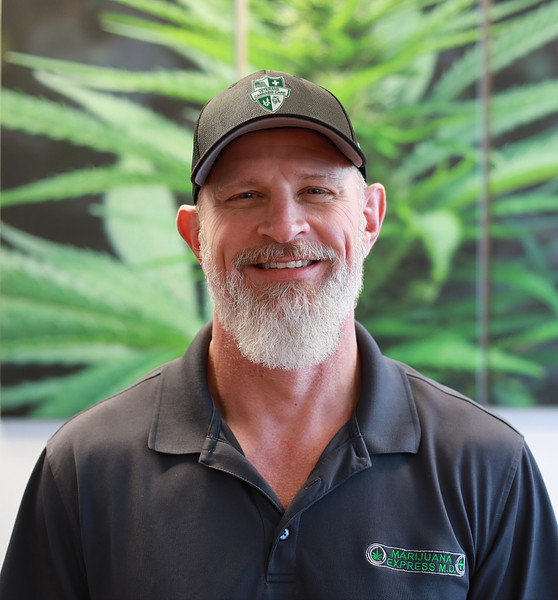
That was central to a recent conversation with Robb Harmon, founder of Veterans Cannabis Care, a nonprofit that has helped more than 8,000 patients access medical cannabis and provided 900 veterans with free medical certifications. Veterans Cannabis Care is emerging as a model for addressing the gap between access and use, especially for those who find traditional healthcare pathways closed or inadequate.
Barriers Veterans Face
When policymakers and clinicians talk about access to medical cannabis, the focus usually lands on whether a veteran can legally obtain marijuana in their state. But that is only the first step. To derive therapeutic benefit, the medicine needs to be consumed safely and consistently. For many veterans, that means navigating cost barriers associated with the devices used to administer cannabis.
“Vape hardware is expensive,” Harmon said. “When you are living on a fixed income or dealing with housing insecurity, it becomes one more barrier that pushes people back toward less safe options.”
This practical hurdle can force veterans to make hard choices: go without medicine or use unregulated, lower-quality consumption methods that increase health risks.
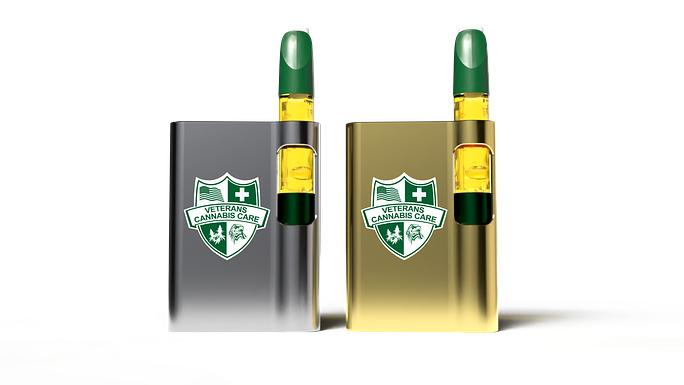
Veterans Cannabis Care, in partnership with Canna Brand Solutions and CCELL, provides free quarterly vape batteries to veterans in need. This approach removes one of the most overlooked cost barriers so veterans can consume their medicine without having to ration devices or resort to disposable hardware that may be unsafe or unreliable.
“This partnership removes that obstacle entirely,” Harmon explained. “By providing professional-grade batteries at no cost, we are making sure veterans are not forced to choose between unsafe hardware and no medicine at all.”
Safer Use and Health Outcomes
For medical patients, the route of administration matters. Vaporization is often recommended over smoking because it heats cannabis extracts to a temperature that releases active compounds without burning plant material, avoiding harmful byproducts associated with combustion. Reliable vaporization devices with controlled heating can make dosing more predictable and gentler on the lungs.
High-quality hardware can therefore be a health issue as much as a convenience or cost concern.
“Quality hardware matters because it protects the patient,” Harmon said. “High-quality vape devices allow the oil to reach the point of vaporization without being burned.” This consistency in delivery can matter for patients managing PTSD, chronic pain, or anxiety, conditions where dosage and effect predictability are part of daily symptom management.
While the clinical evidence remains mixed with some research showing limited trial evidence supporting cannabis as an effective treatment for PTSD and chronic pain, and others suggesting short-term relief in stress or sleep quality, veterans themselves report real differences in their lived experience.
Many veterans describe improvements in sleep, reductions in alcohol use, and better engagement with family life when they are able to access cannabis safely.
“Families tell us they have their loved one back,” Harmon said. “Veterans are more present in their own lives and in the lives of their partners and children.”
Dignity and Equity in Care
Veterans’ access to cannabis care is as much a question of equity and dignity as it is a health issue. Veterans on limited incomes should not have to choose between healthy consumption and basic survival costs. Providing professional-grade, rechargeable hardware instead of disposable units reduces waste and expense over time. One durable battery can replace many disposables, reducing environmental harm and long-term costs for patients.
Harmon emphasized the dignity aspect: “A veteran’s bank account should never determine the safety of their medical care. Providing professional-grade hardware ensures precision dosing is a right, not a privilege.”
This perspective reframes access. Equity encompasses issues like whether a patient can use it safely and consistently without financial strain. Efforts like these also reveal shortcomings in federal policy.
However, with cannabis being rescheduled, VA healthcare providers will have to adapt to changing regulations.
A Blueprint for Broader Support
The partnership between Veterans Cannabis Care and cannabis technology companies points toward how different sectors can support veterans’ health beyond token gestures.
“For a long time, corporate social responsibility in cannabis looked like a Veterans Day discount or a camouflage-themed post on social media,” Harmon said. “A discount does nothing if a veteran cannot afford the medical-grade tools required to consume their medicine safely.”
By directly providing tools and reducing financial barriers, such initiatives can push the industry toward a more meaningful model of support.
Harmon hopes this collaboration will inspire wider industry responsibility toward underserved patient populations, not just veterans.
“If you manufacture packaging, design software, or build hardware, you have the ability to change a veteran’s life,” he said.
Also read: UN Reports More People Using Cannabis than Opium in Afghanistan
Future Opportunities
Beyond immediate access, Harmon sees future opportunities in data and education. Widespread use of professional hardware could help generate real-world evidence on outcomes for veterans using cannabis, supporting research that could inform policy change.
“We also need trauma-informed education,” he said. Veterans deserve guidance built around dosing and symptom response, not folklore.
Policy reform efforts like the Veterans Cannabis Analysis, Research, and Effectiveness Act aim to expand research into cannabis safety and efficacy for conditions like PTSD and chronic pain, though federal progress remains slow. Increased evidence could help bridge gaps between veterans’ experiences and clinical perspectives.
For now, organizations like Veterans Cannabis Care are creating pathways that center around health, dignity, and access. Improving access to safe and consistent cannabis care means recognizing the practical needs of patients and addressing them in ways that respect their service and their ongoing pursuit of health.