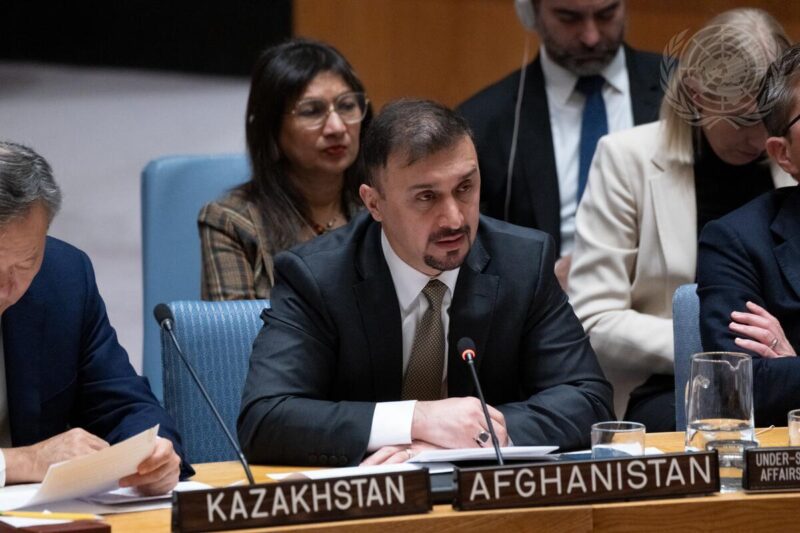
The United Nations Office on Drugs and Crime (UNODC)’s new report on Afghanistan’s Drug Use Assessment (ADUA), released Sunday, claims that cannabis use and pharmaceutical narcotics have surpassed opium use in the region.
UNODC said in its report that the United Nations believes that drug consumption patterns in Afghanistan vary according to region, but emphasized that it is strongly linked to poverty and unemployment.
Poverty, Unemployment, and Health Problems
The ADUA report states: “Poverty, unemployment, and health problems are both factors in the inclination toward drug use and intensify dependency on them, while the financial costs of consumption impose additional pressure on families.”
Although accurate statistics on the number of people addicted to drugs do not exist, the Taliban proclaimed this figure to be around five million people two years ago. The Taliban have transferred people with Substance Use Disorder to prisons.
Cannabis Dominates the Region
Cannabis dominates measures of use while opium –traditionally the primary substance of use documented by treatment admissions– is now less frequently used in the last year than pharmaceutical products such as sedatives and opioid analgesics.
Cannabis is the most common plant substance used, reportedly among men, according to self-reports and perceptions of use among the community.
Narcotics, Opium, and Heroin #2
Narcotics, opium, and heroin ranked second for lifetime use but were surpassed by pharmaceutical drugs for past year use, indicating a possible shift in recent usage patterns.
Last year’s reported drop in opium use could be linked to the efforts by authorities to eliminate opium production starting in 2023, which may have reduced supply or access and thus nudged some consumers to substitute opium for cannabis, according to the report.
Methamphetamines are Popular in Kabul
Provincial and urban patterns of perceived use differ. Across provinces, cannabis and opium remain central concerns. Still, perceived patterns of use vary, with tobacco, Tablet K, an illicitly manufactured tablet that, among other substances, often contains methamphetamine, and Pregabalin are particularly prominent in some areas such as Kabul, highlighting distinct regional and urban drug market profiles.
Tablet K
Further, there appear to be variations in the reported perceptions of use between methamphetamine and Tablet K, which seems to have a higher perception of use in eastern provinces. In contrast, methamphetamine’s use is perceived to be higher in the West. The regional perceptions of use between methamphetamine and Tablet K may reflect different nomenclatures or use patterns of methamphetamine, as respondents could be referring to the same drug by other names or in various formulations.
Recent and poly-drug use focuses on a small set of substances with high financial costs, among men who used drugs in the past 30 days, about half used cannabis, and substantial shares used opium, codeine, Tablet K, and methamphetamine.
Street Drugs Cost More than Wages
Nearly one in eight of those using drugs in the past 30 days reported polydrug use. The amount paid for substances such as methamphetamine and opium is likely to account for a large share or exceed a day’s wage for many workers.
As a share of daily wage income, a use day for methamphetamine may cost 138% of a casual labourer’s wages or 67% for a skilled labourer. In turn, poverty, lack of employment, and financial hardship were linked to continued drug use.
Women’s Usage Remains a Mystery
The organization has noted that drug consumption among women is concerning, and recognizing data gaps is essential to acknowledge the need for better understanding and support for women affected by substance use. Women are less likely to report drug use voluntarily.
Drug use in Afghanistan is embedded socially, yet disproportionally affects vulnerable men. Those who report past-year drug use are typically married, live with family, and are connected to work or are job seeking. Yet, they are younger, more often experience un- or underemployment, report lower levels of educational attainment, are more likely to have diagnosed health conditions, and are more likely to self-medicate than those who do not use drugs.
While it is not explicitly mentioned, the data could suggest that, rather than cannabis being a gateway drug, in Afghanistan, it seems more of an exit strategy in lieu of opium.