
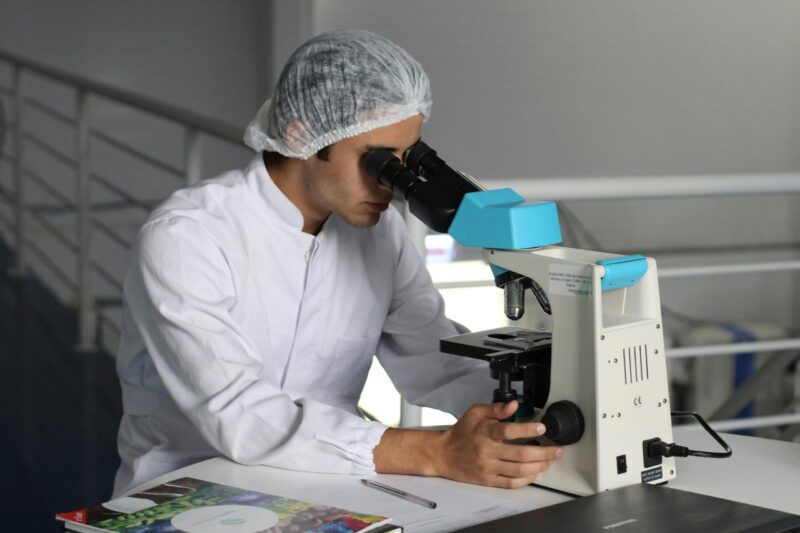
In the labyrinthine corridors of neuropharmacology, a cadre of intrepid researchers at the University of Nevada, Las Vegas, has orchestrated a symphony of molecular ingenuity. Drawing from the unassuming caraway seed, ubiquitous in culinary repertoires as meridian fennel, they have synthesized a pantheon of cannabidiol analogs that promise to redefine therapeutic paradigms for pediatric epilepsy. This endeavor, propelled by undergraduate scholars in concert with faculty mentors and collaborators at New Mexico State University, transmutes carvone, the seed’s principal constituent, into potent anticonvulsants devoid of tetrahydrocannabinol’s psychoactive specter.
Molecular Metamorphosis
The alchemy commences with (+)-carvone, extracted from caraway’s essential oils, which serves as a scaffold for engineering enantiomeric variants of cannabidiol. Through a meticulous five-step synthesis, the team fabricated a library encompassing derivatives with varying alkyl chain lengths: the established (+)-CBDV (three carbons), (+)-CBD (five), and (+)-CBDP (seven), alongside novel even-chain compounds like (+)-CBD-hex (six) and (+)-CBD-oct (eight). By modulating these chains, scientists amplified cannabidiol’s salutary attributes, such as seizure suppression, while eschewing undesirable sequelae.
Preclinical trials in murine models illuminated the derivatives’ prowess. The lead candidate, (+)-CBD-oct, administered orally at 20 milligrams per kilogram, augmented delta and theta electroencephalographic power bands, fostering neural stability without inducing somnolence—a stark contrast to benzodiazepines, the incumbent guardians against developmental seizures.
In kainic acid-induced seizure assays, this compound curtailed convulsion severity on the Racine scale, diminished event frequency, protracted latency to onset, and bolstered survival rates, outperforming natural (-)-cannabidiol in mortality aversion.
“These fully synthetic compounds, made from a safe plant extract and free of THC, not only prevented seizures and reduced seizure-related deaths but also promoted healthier brain cell development without the sedative side effects of current treatments,” articulated Dustin Hines, study co-author and professor of neuroscience at UNLV.
“Childhood seizure disorders are often resistant to available drugs, and both the seizures and the current frontline therapies can severely affect brain development, cognition, and quality of life, making the discovery especially promising.”
Also Read: Trump Administration Reclassifies Cannabis to Schedule III
Toward Neurodevelopmental Restoration
Beyond mere palliation, the caraway-derived agents exhibit regenerative potential. In Gabra2-1 mice, modeling GABA receptor deficiencies akin to human neurodevelopmental epilepsies, chronic pup administration normalized dendritic spine architecture: attenuating filopodia proliferation while augmenting mature spines, thereby rectifying aberrant neuronal maturation absent in wild-type counterparts. Such interventions circumvent the cognitive impairments inflicted by benzodiazepines, heralding a renaissance in epilepsy management.
Yet, as Adriana Carrillo, a UNLV senior double-majoring in neuroscience and public health, cautions, “Caraway seeds don’t contain CBD. They just contain the scaffold to create it.”
An aspiring physician-scientist, Carrillo underscores the horizon: “Advancing this new class of therapeutics holds significant promise for patients who have exhausted existing treatment options, whether due to debilitating side effects or a lack of response to currently available therapies. It is encouraging to help build the foundation for future treatment options that could one day offer families safer and more effective choices.”
This opus, titled Carvone Derived Cannabidiol Enantiomers as Novel Anticonvulsants, graced Neuropsychopharmacology on September 24, 2025, underwritten by National Institutes of Health grants. While circumventing cannabis’s regulatory quagmires, exemplified by Epidiolex’s stringent dispensation, these innovations beckon clinical translation, potentially alleviating the burdens of intractable childhood epilepsies.