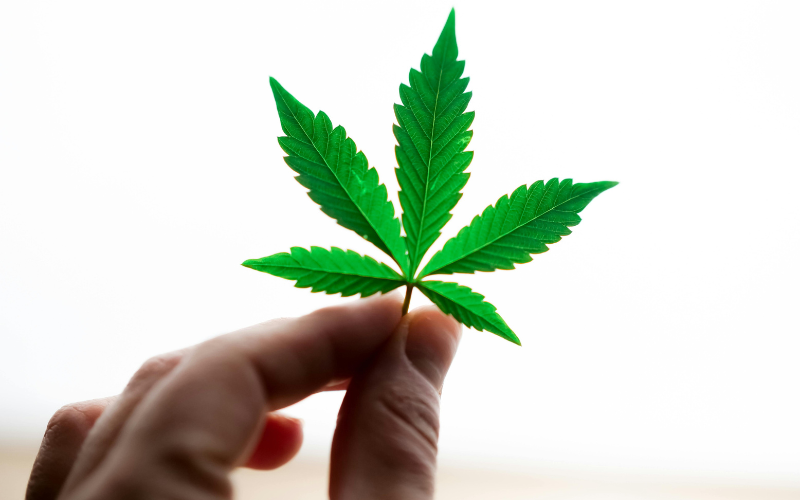
For too long, cannabis has been boxed into restrictive labels. This oversimplification has slowed science, misled consumers, and held back innovation. As hemp grabs attention and rescheduling debates heat up, maybe the science—and the language—will finally catch up.
One of the most chemically diverse plants on Earth somehow got reduced to just two words: hemp and marijuana. Hemp is praised for its industrial and wellness uses, particularly CBD, while marijuana is scrutinized for THC and “getting you high.”
The legal distinction? A plant with 0.3% THC is classified as “hemp.” At 0.4%, it’s “marijuana.” That tiny threshold may make all the difference in law, but it tells us almost nothing about the plant’s biology, compounds, or therapeutic potential.
By reducing cannabis to hemp or marijuana, we erase the nuance that makes it valuable to patients, researchers, and consumers.
Why We Need to Call It Cannabis
Using the term cannabis matters. It opens the conversation about the plant’s cannabinoids—over 100 chemical compounds—and how they interact with the human endocannabinoid system (ECS). The ECS regulates sleep, mood, appetite, inflammation, and pain.
When the industry sticks to hemp vs. marijuana, it buries the real story: cannabis’ effects aren’t dictated by THC alone. Understanding the ECS allows patients and consumers to make informed choices, and it gives science a foundation to develop truly effective products.
What Patients and Consumers Lose
Oversimplified categories have tangible consequences:
- Someone managing anxiety may benefit from CBD combined with calming terpenes like linalool.
- A chronic pain patient may need THC paired with beta-caryophyllene.
- Someone struggling with sleep might find relief from CBN.
Yet when products are labeled strictly “hemp” or “marijuana,” patients are left guessing. It’s like walking into a pharmacy with only two aisles: “safe” and “risky.” Not very helpful.
The Current Moment
Hemp is getting unprecedented attention, and conversations around rescheduling or even descheduling cannabis are coming to the forefront. As these debates unfold, the science behind cannabinoids is finally gaining traction.
We have an opportunity to reframe the conversation. By calling it cannabis, we highlight the full spectrum of compounds, educate the public about their effects, and connect those compounds to the ECS—the system that underpins the plant’s therapeutic potential.
Technology as the Bridge
Technology is critical in moving beyond the hemp/marijuana binary. From seed-to-sale tracking and compliance platforms to consumer-facing tools that link cannabinoid profiles to desired effects, technology is creating transparency, efficiency, and trust in the industry.
I’ve seen this firsthand through my brother, Brandon Johnson, our CTO and a lifelong tech enthusiast now leading in cannabis technology. In states like Florida, technology is not just about compliance—it’s the backbone of credibility and consumer confidence.
The Innovation Bottleneck
Oversimplified legal categories don’t just confuse consumers—they slow research and innovation. Today, CBD extracted from hemp is federally legal, while CBD from marijuana remains restricted, even though the molecules are identical.
These inconsistencies discourage investment in full-spectrum research and force companies to design products around legal loopholes rather than outcomes. They perpetuate stigma by labeling one category acceptable and the other suspect.
Also Read: Tech Jam 2025 Brings the Cannabis Tech World Together in Las Vegas
Toward a Spectrum-Based Approach
To unlock cannabis’ full potential, three shifts are essential:
- Educate through science, not stigma. Labels should highlight compounds, effects, and intended use, such as “sleep support” or “focus,” instead of relying on outdated categories.
- Policy that reflects biology. Regulators should call it cannabis and treat cannabis as one plant with diverse applications, focusing on safety, quality, and intended use rather than a single THC percentage.
- Expand research access. Universities, labs, and businesses should be free to study the full spectrum of cannabinoids—including lesser-known compounds like CBN and THCV—without arbitrary restrictions.
A Plant Too Complex to Be Boxed In
Cannabis is too diverse, too powerful, and too promising to remain trapped in prohibition-era language. The hemp/marijuana binary served its time, but now the plant demands a spectrum-based understanding.
Patients deserve guidance, not guesswork. Consumers deserve clarity. And scientists need freedom to explore every facet of the plant.
By calling it cannabis, we connect the compounds to the ECS, acknowledge the plant’s full potential, and lay the groundwork for better medicine, smarter policy, and more innovative products.
It’s time to stop thinking in binaries. It’s time to call it cannabis—and to finally give the plant, science, and consumers the respect they deserve.